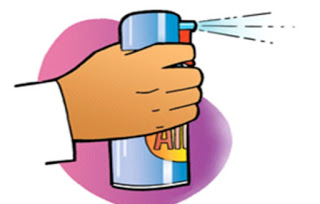
The smell of gaseous matter spread rapidly in airbecause the attraction force of gaseous molecules is very low, they can move freely.
There is a force that works between the molecules of each substance, which keeps the substance bound. This force is the highest in the solids, less in the fluids and lowest in the gases.
The force acting between the molecules of the same substance is called adhesive force, the force acting between molecules of different substances.
Incomplete combustion of coal releases many poisonous gases like carbon monoxide in the environment. This carbon monoxide gas is fatal to health, can lead to coma and even death of the persons sleeping in that room.
In a closed room supply of oxygen is limited. When coal burns in limited supply of oxygen, carbon monoxide (CO) is produced instead of carbon dioxide (CO2).
Carbon monoxide is very poisonous gas which when inhaled leads to person’s death as it lowers the levels of oxygen in blood.
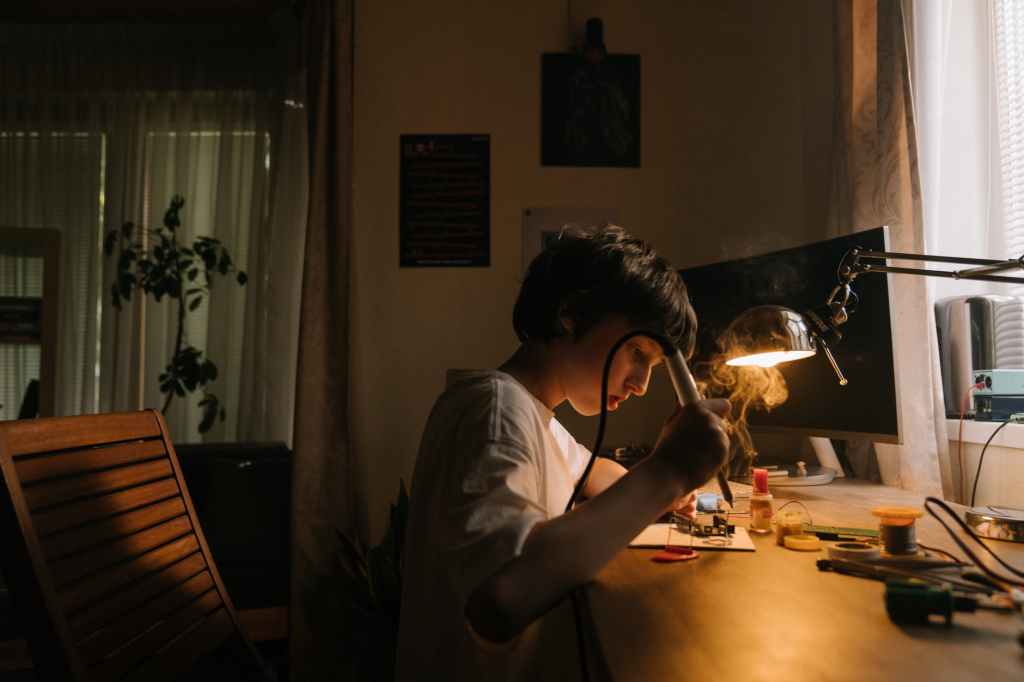
Soldering is a joining process used to join different types of metals together by melting solder. Solder is a metal alloy usually made of tin and lead which is melted using a hot iron.
The iron is heated to temperatures above 600 degrees Fahrenheit which then cools to create a strong electrical bond.
Solder is a melting alloy. The solder alloy is made up of tin (67% -) and lead (33%), and this alloy has low melting point, so it is used for soaking or stitching. This process is called soldering.
Solder or solder is an alloy made of Tin (67% -) and Lead (33.%). and this alloy has low melting point. To use it as a joining material, it is heated to this temperature (500-600 0C) and melted.
This melts then solidifies and in the process joins the adjoining metals. This process is called soldering.
There is very simple chemistry behind this and nothing more. The magician cuts the lemon into half and a places a tiny piece of sodium between the lemon.
This Sodium reacts with lemon juice and produces hydrogen. It is an exothermic reaction which produces.
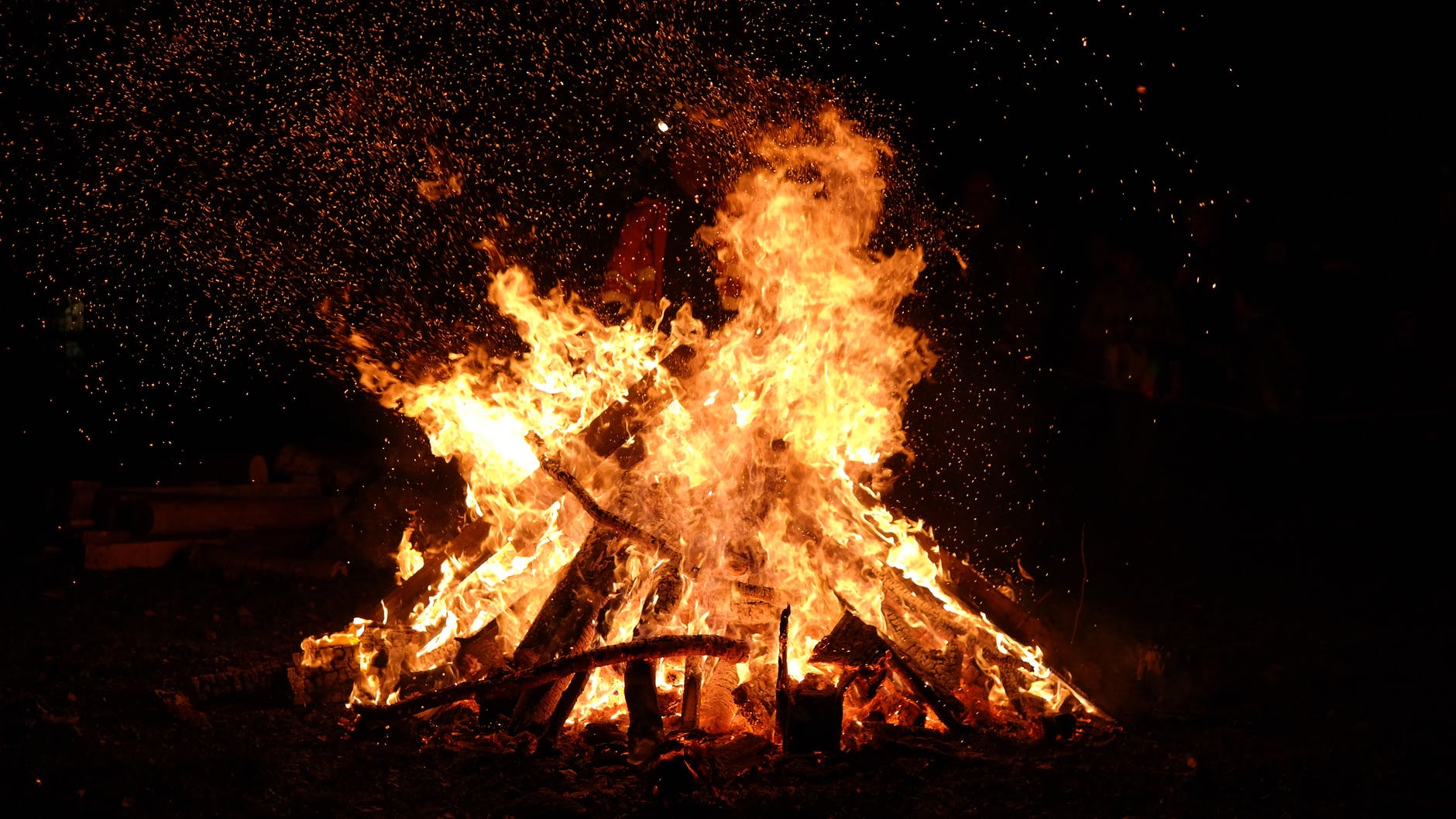
This hydrogen starts burning in the air in the presence of heat produced which we see as fire.
Through this question we are going to understand a new concept- types of chemical reactions.
Exothermic reactions – Those chemical reactions that result in heat produced. Examples – burning of substances
Reactant → product + energy (in the form of heat)
Endothermic reactions – Chemical reactions that require heat to start. Example – Ice Melting, Photosynthesis
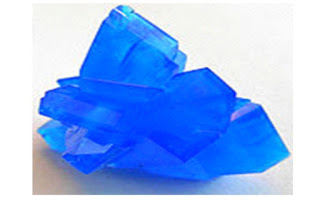
Neela Thotha or copper sulphate is an inorganic compound whose chemical formula is CuSO4. Copper sulphate is found in the form of several compounds in which the quantity of crystalline water is different.
For example, its dry (non-existent) crystal is white or light yellow-green, whereas pentahydrate (CuSO4 · 5H2O) is bright blue.
Crystal water is present in blue stone and due to this crystal water, color is blue.
When the blue stone is heated, the crystal water becomes free from which the color of the blue stone becomes white.
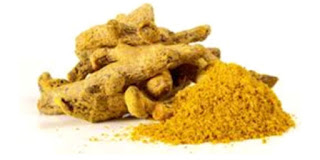
As turmeric powder is present in vegetable and when it comes in contact with caustic soda in soap.
It results in chemical reaction which turns red in color because caustic soda is alkaline in nature.
Vegetable stain turns reddish-brown when washed with soap because vegetable stain contains turmeric.
When soap solution is added to it, turmeric turns into reddish-brown color because the soap solution is basic in nature, and on washing off the soap with water the medium is neutral again.
Turmeric is a natural indicator which changes its yellow colour into reddish brown when it comes in contact with a solution of base. Hence, when soap (which is basic in nature) is scrubbed on the stain, the stain turns red.
As Turmeric is a reddish-yellow rhizome. The more prominent yellow color is due to the presence of the xanthophyll pigment, while the reddish-orange color comes from carotene pigment.
When turmeric is dissolved in water and a pinch of lime is added to it, the organic acids are neutralized by alkaline lime.
Thus, as a result, the yellow xanthophyll is suppressed an orange-red carotene pigment becomes more prominent. So turmeric turns red in color.
Exposure of turmeric powder or turmeric water to quick lime neutralizes any of the two phenolic protons and triggers the conversion of the original benzenoid structure with yellow appearance into a quinoid structure with red colour.
That is why turmeric water, when mixed with quicklime, turns red.
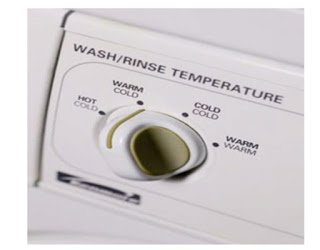
Hot water has more kinetic energy than cold water, meaning the molecules in the water move around more quickly.
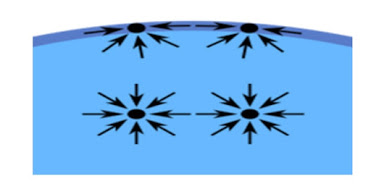
When the water is heated, its surface tension decreases. So hot water can remove particulate matter more efficiently from its surface by spreading over more surface area than cold water.
Surface tension is a property of a fluid surface.
The tension of the surface film of a liquid caused by the attraction of the particles in the surface layer by the bulk of the liquid, which tends to minimize surface area.
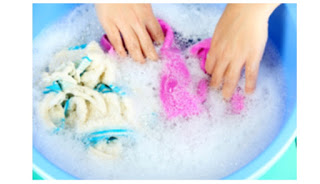
Hard water does not form lather because Calcium and Magnesium ions present in hard water react with soap to form Calcium Stearate or Magnesium Stearate.
Soap contains sodium stearate. The Calcium or Magnesium Stearate so formed is white precipitate and thus forms scull.
Soaps, when used with hard water, does not lather or produce foam easily because of the formation of a curdy precipitate or scum. This scum is created when soaps react with the calcium and magnesium ions present in hard water.
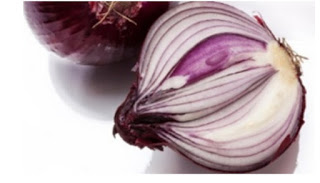
When we chop an onion, we break cells of an onion, releasing their contents. A chemical process results, eventually releasing a compound (Amino acid sulfoxides form sulfenic acids) that causes you to tear up when you’re slicing and dicing.
Enzymes that were kept separate are now free to mix with the sulfenic acids to produce propanethiol S-oxide, a volatile sulfur compound that wafts upward toward your eyes. This gas reacts with the water in your tears to form sulfuric acid. The sulfuric acid burns, stimulating your eyes to release more tears to wash the irritant away.
How not to cry while chopping an Onion-
There are a few ways to do it.
· Wear safety goggles or run a fan. This actually prevents the vapors from the compound entering your eyes—or at least blows the compound’s vapors safely away.
Refrigerate your onion before cutting it. Doing so slows reactions and changes the chemistry inside the onion. You can accomplish the same thing by cutting the onion under water.


 Science-Blogger Curiosity
You must be logged in to post a comment.