Does Bottled Water Go Bad ?

Most bottled water bottles have an expiration date stamped on the bottle, but does the bottled water actually go bad? 
Some bottled water only carries its bottling date and a ‘best by’ date. These dates are helpful because the flavor of the water will change over time as it absorbs chemicals from its packaging. The flavor will not necessarily be bad, but it may be noticeable.

Leaching of chemicals from packaging is a health concern, but as far as toxic chemicals go, you can get exposure to most of those chemicals from freshly bottled water as well as bottled water that has been on the shelf a while. 

While algae and bacteria will not grow in sealed bottled water, the situation changes once the seal has been broken. One should consume water within two weeks after opening it.


Water
 is a natural substance and does not go bad, however the plastic water bottle will degrade over time and begin to leach chemicals into the water, which is why it is always important to choose BPA free bottled water.
Is there really a Chemistry of Love?

Scientists haven’t developed any magic love potions that you can use to make someone fall in love, but chemistry does play an important role in how a relationship progresses.

Did you know that raw lust is characterized by high levels of testosterone? The sweaty palms and pounding heart of infatuation are caused by higher than normal levels of norepinepherine

Meanwhile, the ‘high’ of being in love is due to a rush of phenylethylamine and dopamine. Lasting love confers chemical benefits in the form of stabilized production of serotonin and oxytocin.

Can infidelity too be blamed on chemistry? Perhaps in part. Researchers have found that suppression of vasopressin can cause males (voles, anyway) to abandon their love nest and seek new mates. Hey, you got to have chemistry!

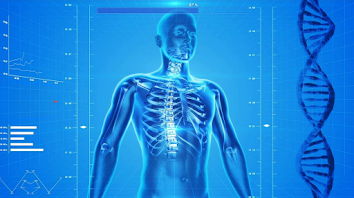
What are the element in the Human body?

Most of the human body is made up of water, H2O, with cells consisting of 65-90% water by weight. Therefore, it isn’t surprising that most of a human body’s mass is Oxygen.

Carbon, the basic unit for organic molecules, comes in second. 99% of the mass of the human body is made up of just six elements: oxygen, carbon, hydrogen, nitrogen, calcium, and phosphorus.

Image above shows all the elements present in human body.

The four most abundant elements in the human body – hydrogen, oxygen, carbon and nitrogen account for more than 99 per cent of the atoms inside you. They are found throughout your body, mostly as water but also as components of biomolecules such as proteins, fats, DNA and carbohydrates.

Atomic numberElementFraction of massMass (kg)Atomic percentGroup
8Oxygen0.65432416
6Carbon0.18161214
1Hydrogen0.107621

Photosynthesis- What is the chemistry behind it?

Plants use a chemical reaction called Photosynthesis to convert Carbon di-Oxide and water into food (glucose) and Oxygen.

It’s one of the most common everyday chemical reactions around us and also one of the most important since this is how plants produce food for themselves and convert Carbon di-Oxide into Oxygen which is essential for all the human life on Earth.

Reaction which takes place in this is-

6 CO2 + 6 H2O + light → C6H12O6 + 6 O2

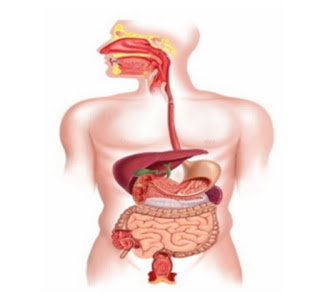
Did you ever realise, digestion of food by human there is a turn of chemistry behind it.

Thousands of chemical reactions take place during digestion. As soon as you put food in your mouth, an enzyme in your saliva called Amylase starts to break down sugars and other carbohydrates into simpler forms which human body can absorb. 

Hydrochloric acid in your stomach reacts with food to break it down, while enzymes cleave proteins and fats so they can be absorbed into your bloodstream through the walls of the intestines.