
The K in vitamin K is derived from the German word koagulation. Vitamin K is a fat-soluble vitamin which plays a vital role in blood clotting.
There are several forms of vitamin K, one synthesized by plants, one synthesized by animals (including humans) and a large range of types synthesized by bacteria in the small intestine of humans.
Vitamin K is one of the fat-soluble vitamins. It helps with blood clotting. The major source of vitamin K is found in green plants. This form is called phylloquinone.
Functions
Vitamin K delivers the required coenzyme for a vitamin K dependent carboxylation of amino acids. It is essential for the provision of proteins that play a role in blood clotting. Therefore, it is clear that deficiency causes bleeding disorders, such as haemorrhaging (uncontrolled bleeding). This may cause nose bleeds, blood in the urine, or extremely heavy menstrual bleeding.
In infants vitamin K deficiency may even result in internal haemorrhaging of the skull. A vitamin K deficiency is fairly uncommon in healthy adults, because bacteria in the intestines synthesize the vitamin. It may however occur in individuals that take medicinal vitamin K antagonists.
Rich in Foods
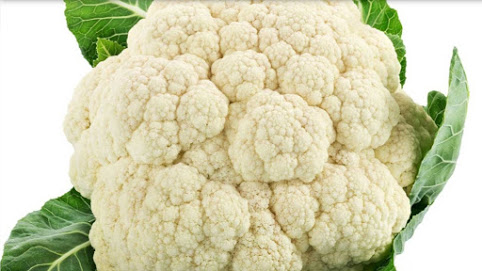
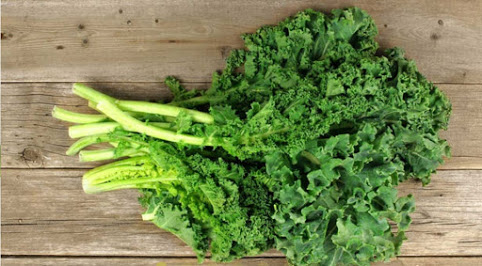
1) Green Leafy Vegetables (Kale) ½ c: 444 mcg (over 100% DV) 2) Natto (fermented soy) 2 oz: 500 mcg (over 100% DV)
3) Spring onions (Scallions) ½ c: 103 mcg (over 100% DV)
4) Brussels Sprouts 2 c: 78 mcg (98% DV)
5)Cabbage ½ cup: 82 mcg (over 100% DV) 6) Broccoli ½ c: 46 mcg (58% DV)
7) Dairy (fermented) ½ c: 10 mcg (10% DV)
8) Prunes 2 c: 52 mcg (65% DV)
9) Cucumbers 1 medium: 49 mcg (61% DV)
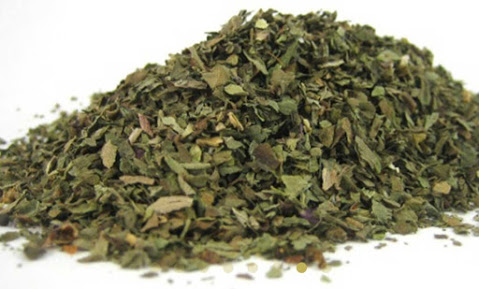
10) Dried basil 1 Tbsp: 36 mcg (45% DV)
etc..




Overdose
Vitamin K toxicity is typically seen in formula-fed infants or those receiving synthetic vitamin K-3 (menadione) injections. Because of its toxicity, menadione is no longer used for treatment of vitamin K deficiency.
The effects of vitamin K toxicity can include jaundice in newborns, hemolytic anemia, and hyperbilirubinemia. Toxicity also blocks the effects of oral anticoagulants.
Deficiency
vitamin K
Deficiency of Vitamin K leads heavy menstrual bleeding, gum bleeding, nose bleeding, Hardening of the arteries or calcium-related problems are the other common signs of vitamin K deficiency.
 Science-Blogger Curiosity