
Vitamin A is also called as Retinol, Retinal. Vitamin A is a group of fat-soluble substances that are found in animal products. These substances include retinol (an alcohol) and retinal (an aldehyde).
Retinal is responsible for production of an acid that affects gene transcription. By means of cellular differentiation, physiological roles of cells are specialized. Vitamin A is a group compounds fat-soluble substance that is stored in the liver. There are two principal forms of vitamin A that are found in the diet.•Preformed vitamin A is found in animal origin such as fish, meat, poultry and dairy foods which is converted to retinol.
•Pro-vitamin A is found in plant-based foods such as fruits and vegetables. The most common type of pro-vitamin A is beta-carotene. The body which possess the enzyme beta-carotene 15,15′-dioxygenase in the intestinal mucosa to cleave and convert pro-vitamin A to retinol.
Vitamin A is also available in dietary supplements. It most often comes in the form of retinyl acetate or retinyl palmitate (preformed vitamin A), beta-carotene (pro-vitamin A) or a combination of preformed and pro-vitamin A.
Vitamin A also includes carotenoids, which are produced by plants. These are transformed to retinal. Fruits and vegetables for example contain beta-carotene, which is converted to vitamin A in the human body.
Functions
Vitamin A is essential for the development of bones, skin and eyesight. It strengthens the immune system, creating resistance to infection and disease. It also regulates growth by regulating the expression of the growth hormone gene.
When vitamin A deficiency occurs, a person may suffer from night blindness (caused by inadequate retinol supply), dry skin, poor growth and developmental difficulties.
Function of Vitamin A is important for growth and development, for the maintenance of the immune system and for good vision. It is also known as retinol because it produces the pigments in the retina of the eye. Vitamin A promotes good vision, especially in low light. It may also be needed for reproduction and breast-feeding.
Rich Foods
1. Beef Liver
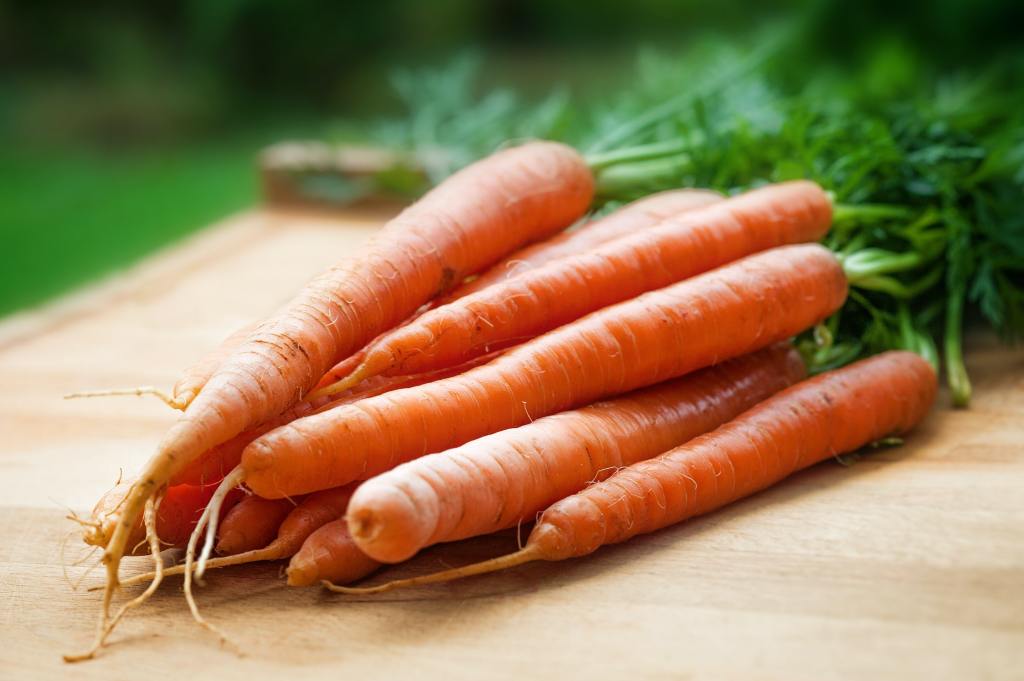
2. Carrots

3. Sweet potato
4. Kale or Leaf cabbage

5. Spinach

6. Apricots
7. Broccoli
8. Butter

9. Eggs

10. Winter squash
etc..
Vitamin A as a supplement
Vitamin A is recommended therapeutically for patients experiencing skin conditions (eczema, acne, psoriasis) and night blindness. It also prevents ulcers, respiratory disease, menstruation cramps or urinary problems, because of its beneficial impact on the immune system. Vitamin A plays an important role in the prevention of several types of cancer.
Interactions
Zinc deficiency interferes with the vitamin A metabolism as a result of decreased retinol synthesis and decreased retinol to retinal transformation. When vitamin A is used in combination with iron anaemia is less likely to occur. Chronic alcohol consumption results in depletion of vitamin A storage in the liver. this contributes to alcohol-induced liver damage.
NOTE
Vitamin A is not recommended for pregnant women. Excess vitamin A may cause birth defects. However, an adequate supply of vitamin A is still required because of its essential role in embryonic development.
Deficiency
Night blindness and eye disease, dry pimply skin, increased infections, kidney stone, depression, irritability, attention deficit Severe deficiency leads to edema, paralysis, and heart failure.
 Science-Blogger Curiosity