
Vitamin B7, more commonly known as biotin, is a water-soluble nutrient that is part of the B vitamin family. B vitamins help support adrenal function, help calm and maintain a healthy nervous system, and are necessary for key metabolic processes. Biotin is essential for the metabolism of carbohydrate and fat.
Functions
Biotin has vital metabolic functions. Without biotin as a co-factor, many enzymes do not work properly, and serious complications can occur, including varied diseases of the skin, intestinal tract, and nervous system. Biotin can help address high blood glucose levels in people with type 2 diabetes, and may be helpful in maintaining healthy hair and nails, decreasing insulin resistance and improving glucose tolerance, and possibly preventing birth defects.
It plays a role in energy metabolism, and has been used to treat alopecia, cancer, Crohn’s disease, hair loss, Parkinson’s disease, peripheral neuropathy, Rett syndrome, seborrheic dermatitis, and vaginal candidiasis.
Rich Foods
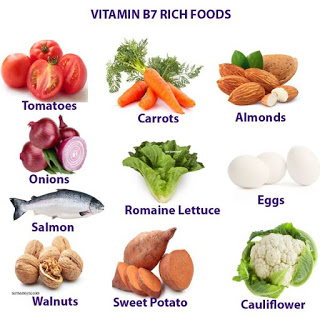
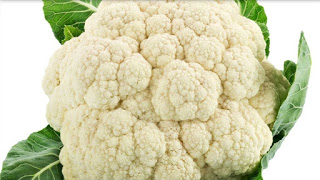
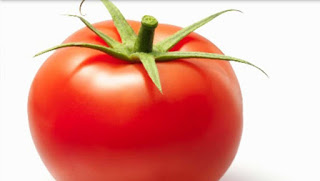
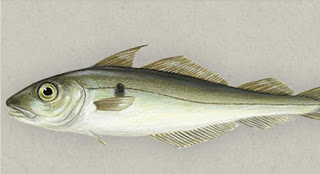
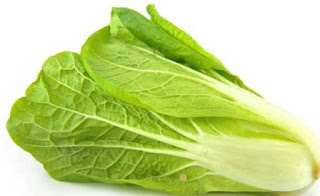
Tomatoes, Almonds, Eggs, Onions, Carrots, Romaine-Lettuce, Cauliflower, meat livers, Beef, chicken, and fish like salmon, sardines, haddock, and tuna


Overdose
Vitamin B7 is a water-soluble vitamin, which means that any excess is excreted in the urine and faeces.
Symptoms
Symptoms of vitamin B7 overdose include an increased urge to urinate, abnormal sweating frequency; and rapid nail and hair growth.
A condition called eosinophilic pleuropericardial effusion may result when excess vitamin B7 is ingested along with vitamin B5.
Deficiency
B7
Deficiency of vitamin B7 leads to Anemia, loss of appetite, nausea, dermatitis Glossitis, depression, hallucinations, muscle pains.
 Science-Blogger Curiosity