
Vitamin E also called as Tocopherols, Tocotrienols.
The term “vitamin E” describes eight different compounds. Alpha-tocopherol is the most active one in humans. Vitamin E is an antioxidant. It may help protect your cells from damage.
Functions
Vitamin E is used as treatment for a variety of degenerative diseases, including: hardening of the arteries, high blood,pressure,heart disease, cancer.
It also Balances Cholesterol, Fights Free Radicals and Prevents Disease Development, Repairs Damaged Skin, Thickens Hair, Balances Hormones, Helps PMS Symptoms, Improves Vision, Helps People with Alzheimer’s Disease, Improves Effects of Medical Treatments, Improves Physical Endurance and Muscle Strength.
Rich Foods
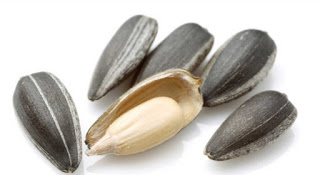
1. Sunflower seeds 1 cup: 33.41 mg (220%)
2. Almonds 1 cup: 32.98 mg (218%)
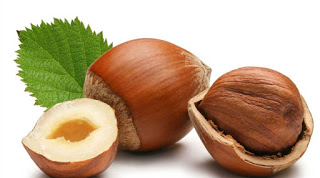
3. Hazelnuts 1 cup: 20.29 mg (133%)
4. Wheat Germ 1 cup plain, uncooked: 18 mg (120%)
5. Mango 1 whole raw: 3.02 mg (20%)
6. Avocado One whole raw: 2.68 mg (18%)
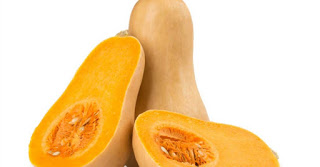
7. Butternut Squash 1 cup cooked and cubed squash: 2.64 mg (17%)
8. Broccoli 1 cup cooked: 2.4 (12%)
9. Spinach ½ cup cooked or about 2 cups uncooked: 1.9 mg (10%)
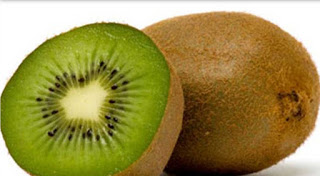
10. Kiwi 1 medium: 1.1 mg (6%)
11. Tomato 1 raw: 0.7 (4%)
etc..
Overdose
Overdoses of vitamin E are rare. It’s virtually impossible to overdose through diet alone. If you take more than the tolerable upper intake level for your age, you might risk blurred vision, weakness, dizziness, nausea and diarrhea.
If you’re also taking an anticoagulant medication, such as warfarin, bleeding can result.
Deficiency
vitamin E
Low levels of vitamin E can cause many digestive system problems, which will lead to poor absorption of nutrients from the digestive tract.This leads to diseases in pancreas, liver, gall bladder, Nervous system, Dry hair or loss of hair.
 Science-Blogger Curiosity