
Vitamin B9, also known as folic acid, serves as a coenzyme during the creation of DNA. This vitamin is also very important to the growth and reproduction of all body cells, including red blood cells.
Vitamin B9 works with vitamins B6 and B12 and other nutrients to control blood levels of the amino acid homocysteine.
Folate, also known as vitamin B₉ and folacin, is one of the B vitamins. Manufactured folic acid, which is converted into folate by the body, is used as a dietary supplement and in food fortification as it is more stable during processing and storage.
Functions
Formation of red blood cells. Creation of genetic material. Promotes a healthy pregnancy by regulating the nervous system development of the fetus. Helps treat anemic patients resulting from folic acid deficiency. Functions to metabolize proteins. Cervical dysplasia may be reduced.
Rich Foods
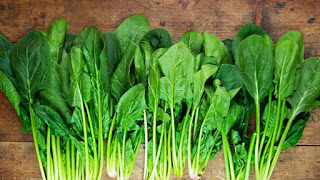
Spinach: 1 cup-263 mcg 65%
Collard Greens: 1 cup- 177 mcg 44%
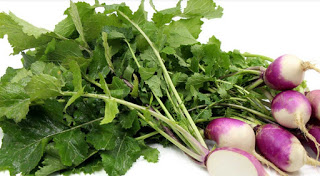
Turnip Greens: 1 cup- 170 mcg 42%
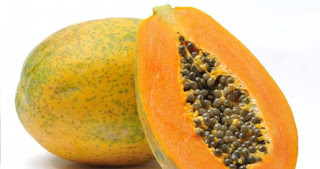
Papaya: 1 Papaya- 115 mcg 29%
Lentils: 1 cup-358 mcg 90%
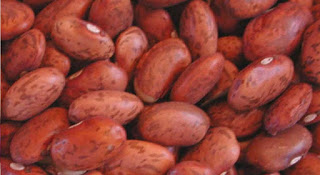
Pinto Beans: 1 cup- 294 mcg 74%
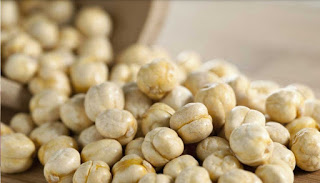
Garbanzo Beans: 1 cup- 282 mcg 71%
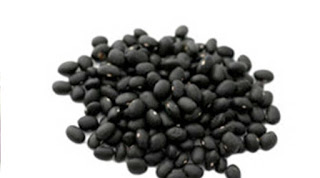
Black Beans: 1 cup-256 mcg 64%
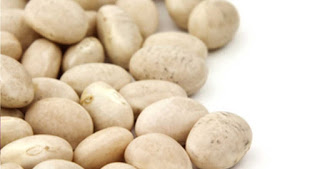
Navy Beans: 1 cup-254 mcg 64%
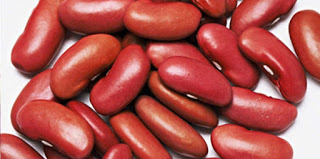
Kidney Beans: 1 cup-229 mcg 57%
Lima Beans: 1 cup- 156 mcg 39%
Avocado: 1 cup- mcg 28%etc..

Overdose
In large doses, the following may occur: Loss of appetite, Nausea, Flatulence, Abdominal distension, May produce folacin crystals in kidney.
Deficiency
B9
Deficiency of vitamin B9 leads to Poor growth, Tongue inflammation, Gingivitis Loss of appetite, Shortness of breath, Diarrhea, Irritability, Forgetfulness, Mental sluggishness.
 Science-Blogger Curiosity